

Dubai Airports sets sights on 100 million DXB passengers as DWC expansion accelerates
Technology could reshape check-in, baggage handling and airport transfers
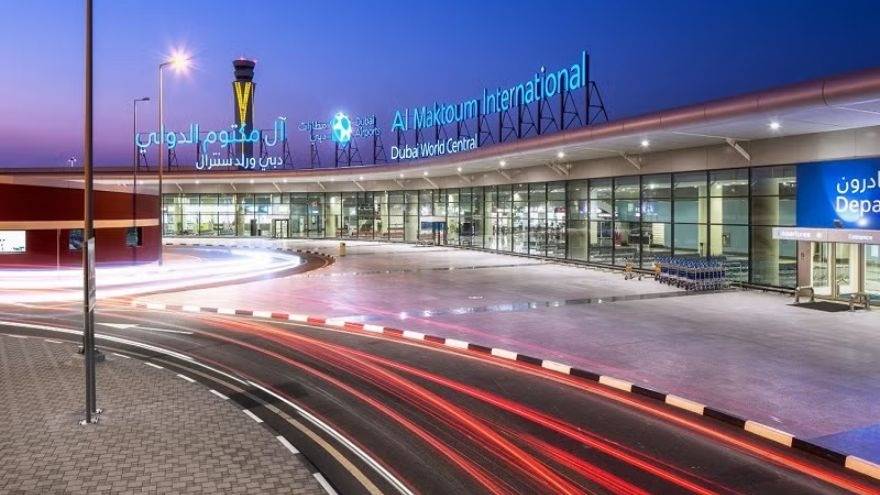
DUBAI – Dubai’s aviation sector is gathering fresh momentum, with Dubai International Airport (DXB) on course for continued passenger growth while the development of Al Maktoum International Airport (DWC) moves ahead at full speed.
Dubai Airports CEO Paul Griffiths outlined the latest figures and long-term plans during the Government of Dubai Media Office’s (GDMO) second International Media Briefing session.
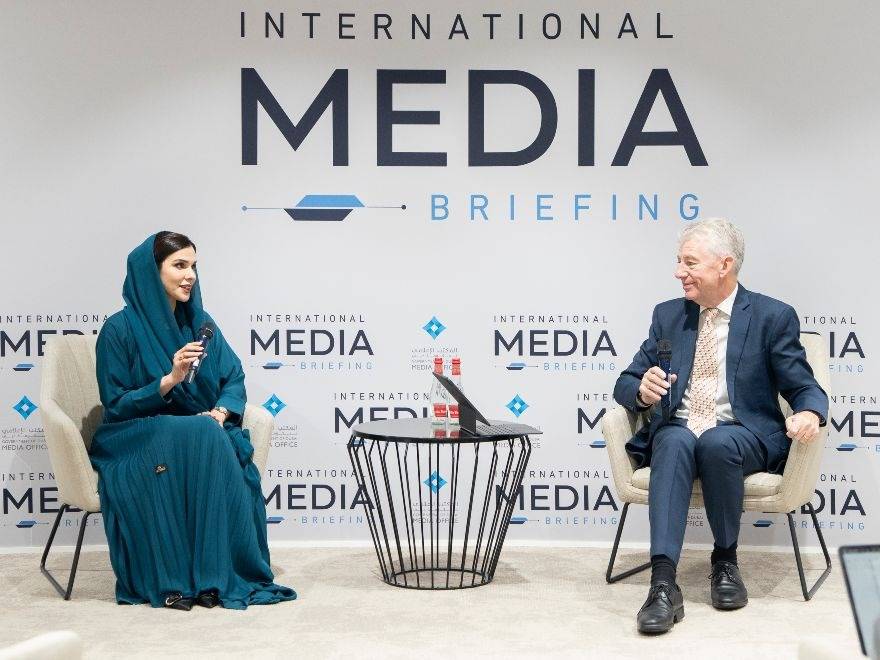
The wide-ranging session, moderated by Hend Fekri, Director of Strategic Media Relations at GDMO, brought together international and local media to discuss Dubai’s aviation growth, expanding global connectivity, the development of DWC and the use of technology to reshape the passenger experience.
The briefing also highlighted the close link between Dubai’s economic expansion and its aviation sector, with airports supporting tourism, trade and investment while the city’s growing global role continues to generate demand for air travel.
DXB accelerates
DXB welcomed 31.5 million guests during the first half of 2026, with passenger traffic showing particularly strong momentum in recent months.
Monthly passenger numbers reached 5 million in June before climbing to 6.3 million in July, marking a 26% increase in a single month. Griffiths described the surge as a “trampoline bounce”, reflecting the strength of demand for Dubai as both a global destination and an international connecting hub.
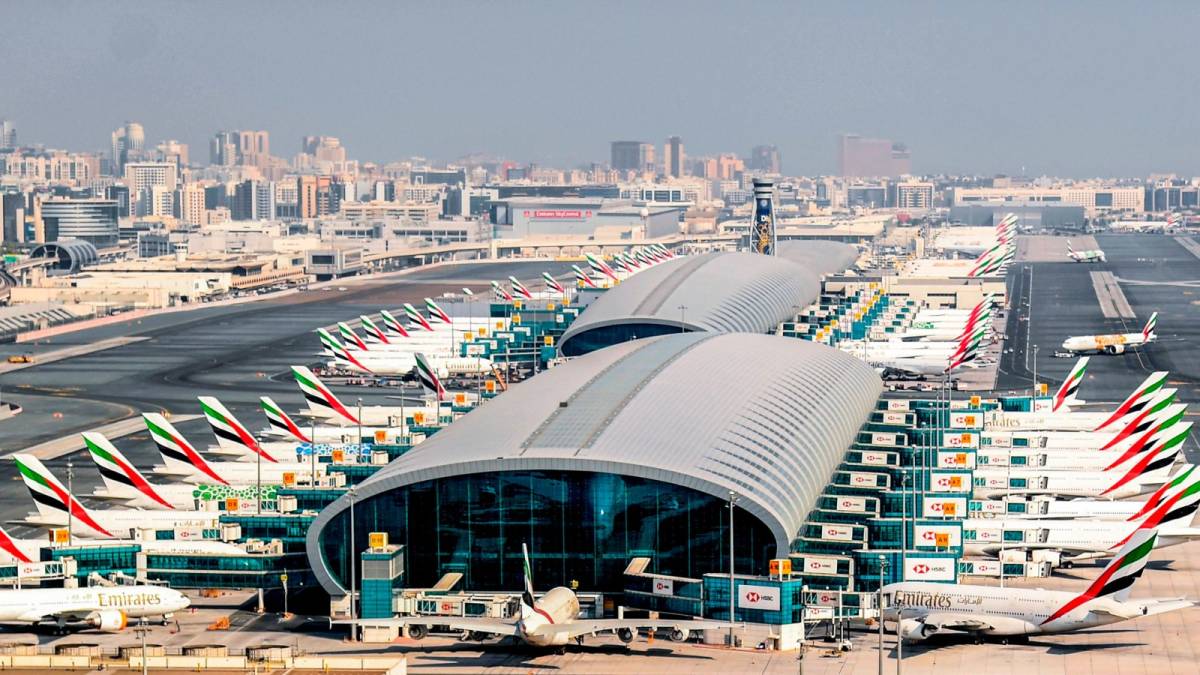
Airline capacity has recovered to 84% of previous levels, while passenger volumes have reached 78%. Griffiths noted that some airlines have yet to fully resume their operations, with most expected to return by the beginning of the upcoming winter season.
That recovery could provide another boost to DXB’s passenger numbers as additional capacity returns to the network.
Dubai Airports expects DXB to handle around 70 million passengers during 2026. The airport is also expected to reach the 100 million annual passenger mark by the end of 2027 as airline capacity and demand continue to expand.
Griffiths said the airport’s performance reflects the underlying strength of Dubai’s aviation model, where international connecting traffic and passengers travelling directly to the emirate both play a major role.
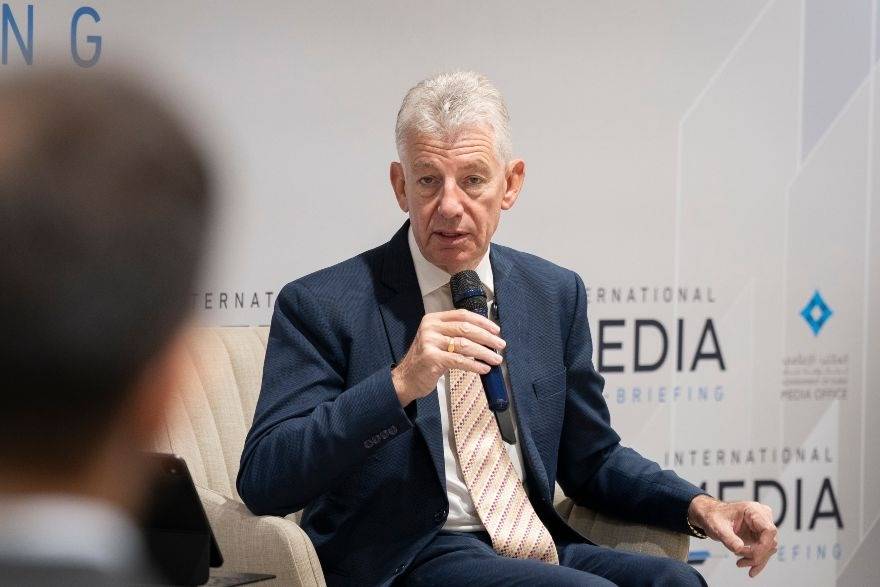
The balance between transfer and point-to-point passengers remains broadly even, highlighting the airport’s dual role as a major global transit hub and a gateway to Dubai.
DWC takes shape
Alongside DXB’s rapid growth, Dubai is pressing ahead with the development of Al Maktoum International Airport at Dubai World Central.
Griffiths said work on DWC is moving “full speed ahead”, with the first major phase expected to come on stream in the early 2030s.
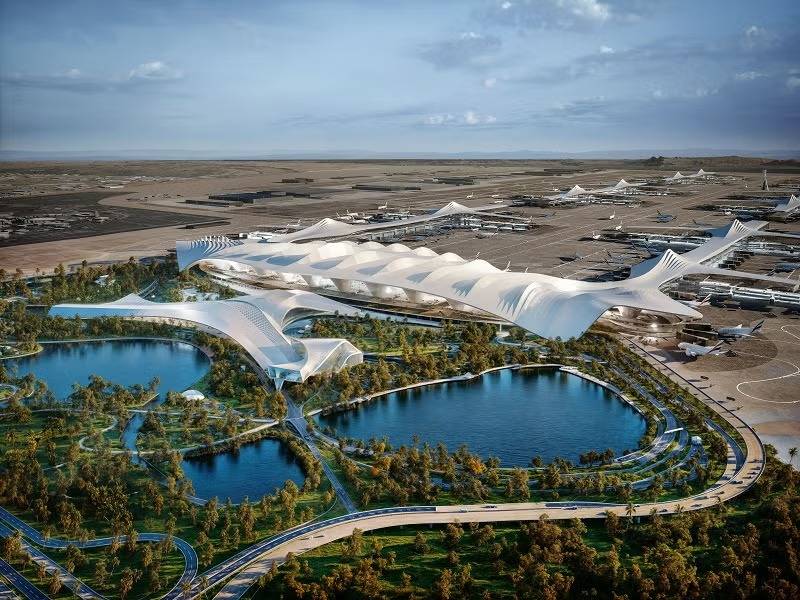
The initial phase will provide capacity for 150 million passengers annually, allowing Dubai to expand its aviation infrastructure beyond DXB’s maximum capacity of around 115 million passengers.
Once fully developed, DWC is planned to accommodate up to 260 million passengers every year.
The next major infrastructure milestone is expected to be the opening of DWC’s second runway by the end of 2027. The airport’s eventual design will centre on eight nodes, each capable of handling approximately 32 million passengers annually.
This modular approach will allow additional infrastructure to be introduced progressively as passenger demand increases, rather than requiring the entire airport to be built and brought into operation at once.
When fully developed, DWC will have five runways, with four operating regularly and one maintained as a standby runway. Two runways will support the initial 150-million-passenger phase, with additional runways coming into operation as the airport expands.
Phased transition
The eventual shift from DXB to DWC will take place in stages as capacity becomes available.
Griffiths said flydubai could potentially begin moving five or six aircraft to DWC as early as next year, marking an initial step towards the broader transition.
The wider move from DXB is expected to take place over several months. Dubai Airports will ultimately shift DXB operations to DWC once the first phase of the new airport provides its planned 150 million-passenger capacity.
The transition is being planned alongside the continued growth of Dubai’s aviation network, allowing capacity to expand without disrupting the emirate’s role as a major international aviation hub.
Smarter journeys
DWC is also being designed as an opportunity to rethink how passengers move through an airport.
Griffiths said technology could remove many of the conventional processes currently associated with air travel, including lengthy queues and traditional check-in procedures.
Check-in could largely disappear from the passenger journey, while baggage drop and facial recognition could allow travellers to move through the airport with fewer physical and administrative steps.
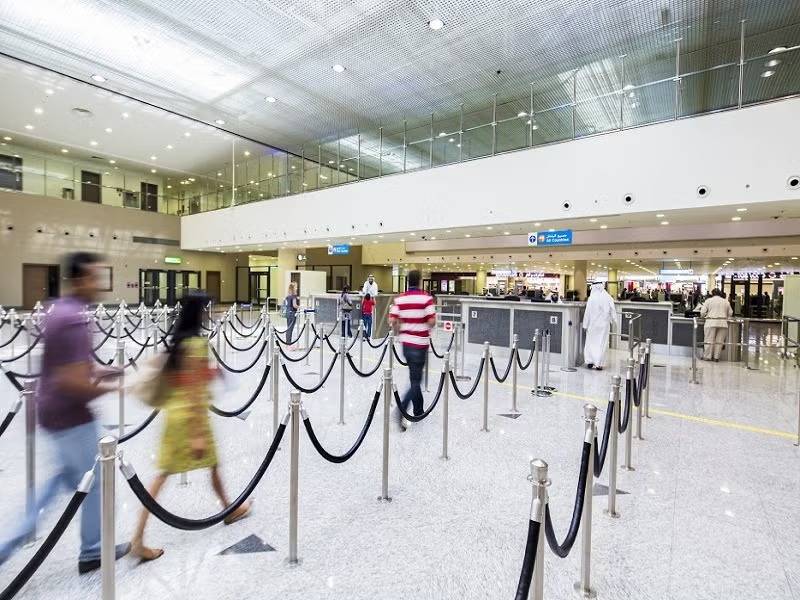
The objective is to create an experience that feels closer to arriving at a hotel lobby, with technology working in the background rather than requiring passengers to repeatedly interact with airport processes.
Dubai Airports is also exploring how the airport could integrate more closely with the city’s wider transport network, while artificial intelligence and other emerging technologies could further reshape how passengers navigate the airport.
Mona Ghanem Al Marri, Director General of the Government of Dubai Media Office, said the International Media Briefing series provides global media with direct insight into the strategies and priorities shaping Dubai’s major sectors.
Hend Fekri said the initiative is designed to encourage open dialogue between international media and leaders responsible for Dubai’s key sectors, with the session with Griffiths providing an opportunity for an informed exchange on the emirate’s aviation ambitions.
The International Media Briefing series forms part of GDMO’s wider efforts to strengthen engagement between international media and Dubai’s government and industry leaders.